你会接受吗?用英文怎么说
The nuance of offering something, particularly money or a financial favor, transcends simple translation. “Would you like to spend it?” feels oddly impersonal and almost accusatory in most contexts. A more appropriate query hinges on the relationship with the recipient, the nature of the offer, and the desired impression – generosity versus obligation. Consider "May I offer you some money?" which presents a gentle invitation, acknowledging potential reluctance or neediness. It's formal enough for unfamiliar interactions but carries inherent politeness. Alternatively, phrasing it as “Would you like me to cover this?” directly refers to a specific expense and demonstrates proactive assistance, suitable when offering to pay for a meal or shared activity. Choosing the right wording is critical; "Do you want this money?" sounds almost dismissive, suggesting an excess that’s being carelessly distributed, rather than demonstrating genuine helpfulness. The grammatical structure subtly alters perceived motivations, impacting reception and potentially straining relationships.
Beyond formal politeness, conversational English provides a wider spectrum of options depending on the perceived emotional closeness. “Want to use it?” works well when presenting someone with disposable income or gift card – essentially empowering them with choice. It’s a relaxed approach suitable for friends or family members. "Fancy using this?" introduces a more playful element, indicating an opportunity to indulge in something enjoyable, whether it's buying clothes or treating themselves to dessert. The inclusion of “fancy” elevates the offer beyond mere practicality; it suggests potential pleasure and excitement tied to spending. It’s important that such phrasing isn’t employed when dealing with someone facing genuine financial hardship. A more empathetic approach requires different language. Offering a specific sum – "Can I give you twenty dollars?" - bypasses the hypothetical and provides direct assistance, especially useful when assisting with an immediate need, like bus fare.

The cultural context also profoundly influences the appropriateness of various phrases. In cultures where offering financial aid carries significant social weight or potential for perceived indebtedness, indirect approaches are generally preferred. A direct inquiry like "Do you want this?" might be interpreted as patronizing or overly assertive, even if intended with kindness. Subtlety is key; instead, offering to “help out” or “take care of something” communicates generosity without explicitly placing the recipient in a position of accepting charity. This indirectness functions as a cultural lubricant, minimizing discomfort and preserving social harmony. Contrastingly, in cultures where direct communication is valued, more straightforward phrasing could be acceptable, even preferred for its transparency and efficiency. The key isn't simply translating words; it’s understanding the underlying societal expectations regarding generosity and reciprocity.
Considering transactional contexts – such as a vendor offering an upgrade or a salesperson proposing financing options – language shifts dramatically. “Would you like to use this feature?” frames something as an enhancement to an existing product, enticing customers with added value rather than asking for money directly. “Are you interested in using our payment plan?” positions financing not as debt but as a convenient option facilitating ownership. These phrases prioritize persuasion and minimize the perceived financial burden on the consumer. A salesperson might also use “How would you like to handle this?” This is deceptively open-ended, allowing the client to feel control while subtly pushing towards predetermined purchasing options. The deliberate manipulation of language in these scenarios underscores how carefully crafted phrasing can influence decision-making. Recognizing these patterns helps consumers navigate sales pitches and make informed choices.

The inclusion of nonverbal cues further complicates interpreting an offer’s true meaning. Tone, facial expression, and body language reinforce the intended message, supplementing or even contradicting verbal content. A hesitant tone accompanying “Would you like to use it?” could signal doubt about their need or ability to handle the funds responsibly. Conversely, a confident smile coupled with "Can I give you twenty dollars?" conveys genuine willingness and reassurance. Observing these subtleties enables accurate interpretation of an offer’s intent beyond the dictionary definition of the words themselves. This nuanced understanding highlights that effective communication isn't solely about what is said but *how* it is conveyed. Recognizing discrepancies between verbal and nonverbal cues allows one to respond appropriately, ensuring both politeness and a genuine comprehension of the underlying generosity or expectation.

Ultimately, deciding how to phrase "你想要花吗" (do you want to spend?) requires a multi-layered consideration extending far beyond direct translation. It demands awareness of relationship dynamics, cultural norms, transactional intent, and nonverbal cues – all intertwined to shape perception and influence interaction. The “best” phrasing isn’t universal; it depends on the specific circumstances and the desired outcome. Failing to consider these factors can lead to unintended offense or misinterpretations, highlighting that linguistic precision is essential for navigating intercultural communication effectively. Mastering this complexity involves not just knowing *what* to say but also understanding *how* the words will be received within a particular context.
相关文章
花呗“套贷”:不止是金额!
认定“花呗套”的标准,绝非简单地依据单次交易金额或笔数堆砌的红线逻辑。其本质判定,深入挖掘的是用户的资金流向、消费行为模式以及偿还压力构成的系统性风险画像。从底层逻辑看,平台和风控系统关注的核心,始终...
得物额度取现怎么查?
“得物额度取现”作为得物平台的重要权益,对于提升购物体验和消费信心至关重要。然而,对于许多用户而言,如何高效、准确地查询自己的额度却不是一件容易的事。最初,得物在设计“额度”系统时,便融入了“灵活调整...
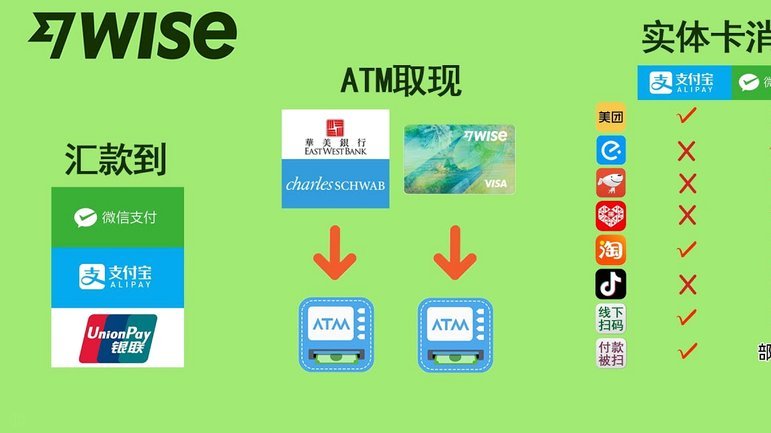
得物提现到银行卡多久到账?看这些因素决定
得物平台提现到银行卡的时间,并非一个固定不变的数值,而是受到多种因素的影响,波动范围可达数小时到数个工作日。理解这一时间跨度的成因,需要从平台的提现处理流程和银行内部的结算机制两方面进行考量。首先,得...

花呗提现到银行卡的正确方式
很多人试图寻找“花呗提现”的路径,但首先必须厘清一个金融逻辑:花呗本质上是一种信用消费额度,而非储蓄账户。所谓的“提现”,在金融底层逻辑中,其实质是将信用额度转化为现金流的过程。这种转化并不存在直接的...
秒花钱包:智能消费管理工具
“秒花钱包app下载”的背后,是一种对传统金融服务的重新定义,更像是一种对现金流管理的实验。与其说它是一个简单的支付工具,不如将其视为一个微观经济体的模拟器,它将个人消费习惯、收益来源、支出目标以及甚...
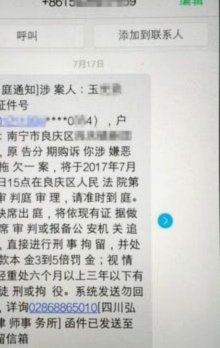
如何应对两万多欠款难题
面对欠款两万多的困境,很多人可能会感到焦虑和无助。首先,重要的是要冷静分析当前的财务状况,并考虑可能的解决方案。这不仅仅是偿还债务的问题,更是维护个人信用记录的重要环节。 第一步是明确自己的负债情...